How to choose an 8-, 12- or 16-seater minibus for group travel
Compare minibus sizes, plan for passengers and bags, and prepare the right questions before booking your group’s journey with ZAZA Express.
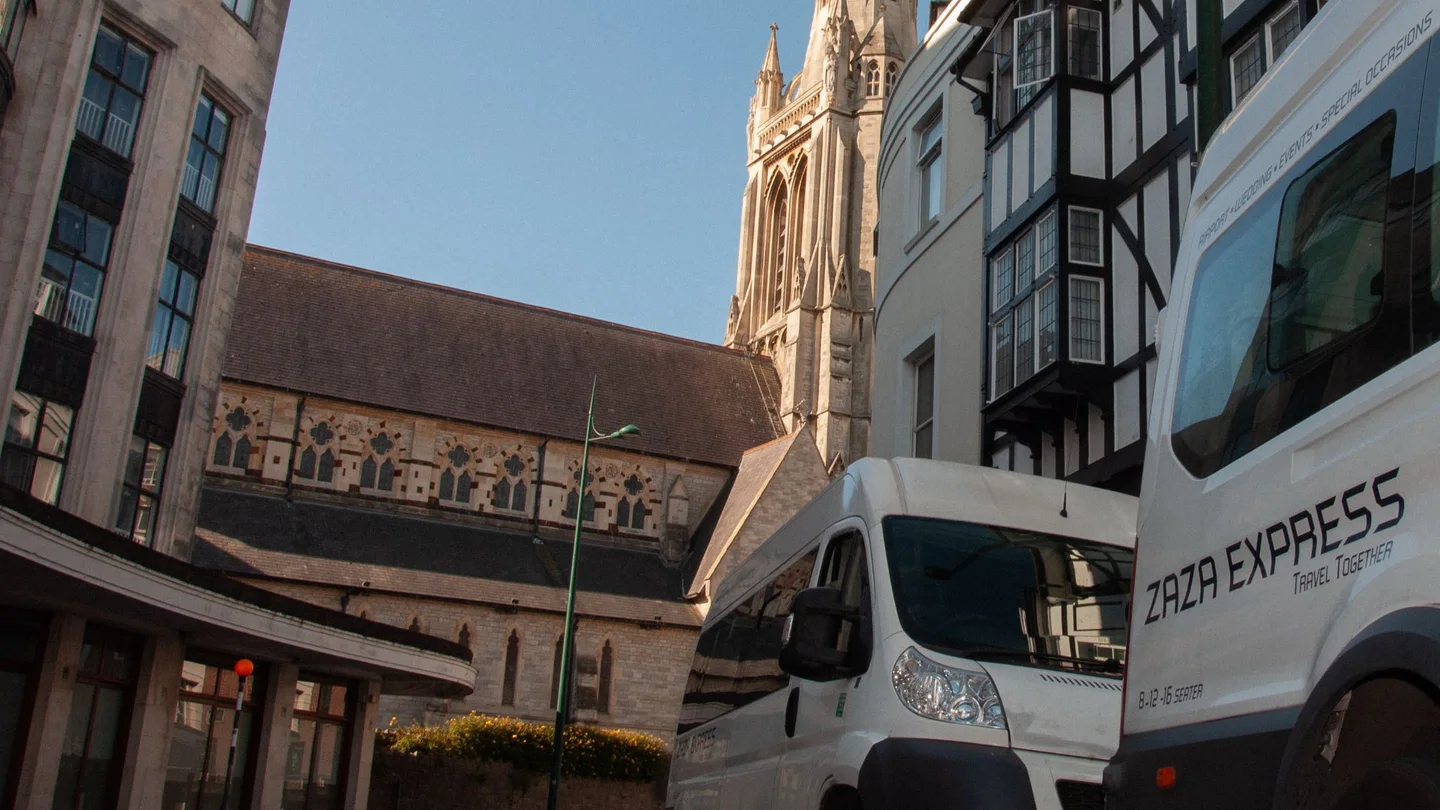
Choosing a minibus starts with a straightforward question: how many people are coming? A useful answer also includes what they are bringing, where they will meet and what the day involves. A vehicle that matches your headcount still needs to suit the practical details of the journey. Getting those details together gives you a better starting point than choosing by seat count alone.
ZAZA Express offers 8-, 12- and 16-seater minibuses for weddings, family outings, business trips and events. This guide explains how to compare those sizes without assuming that a particular vehicle has a certain luggage allowance or accessibility feature. Use it to prepare your requirements, then confirm the proposed vehicle and booking details directly with the team.
Count the people who will actually travel
Start with one passenger list for the whole journey. Include everyone joining at later stops and everyone who needs the return journey. Ask people to confirm rather than counting expressions of interest. If the outward and return groups differ, record both numbers so the organiser and operator are working from the same information.
Leave uncertainties visible. If a colleague is waiting for an answer or a family member may bring another guest, note that separately and explain it when you enquire. Do not treat an unconfirmed place as an extra seat that can be added later. A changed passenger count may change the vehicle discussion, particularly when the original group already fills the proposed minibus.
Compare the three minibus sizes
The table gives a sensible starting point for your enquiry. It compares the capacity options listed by ZAZA Express, rather than promising availability or a specific configuration. A smaller group may have requirements that need further discussion, while a larger group still needs to account for bags and boarding arrangements. Confirm the complete requirement before settling on a size.
8 seats: a focused plan for a smaller group
An 8-seater is an option to discuss for a smaller family group, a team travelling to a business engagement or friends heading to an event. Smaller numbers can make communication easier, but it is still worth agreeing one meeting point and a clear return plan. If your group already numbers eight, mention any possible additions before making arrangements.
12 seats: coordinate the whole group
For a party larger than eight and no more than twelve, ask about the 12-seater. At this size, a shared list becomes particularly useful: the person booking may not know what everyone intends to bring. Ask each household or colleague about luggage and joining points, then combine their answers rather than sending several incomplete versions of the same enquiry.
16 seats: keep a larger party together
A 16-seater is an option for a larger party travelling in one minibus. Appoint someone to gather confirmations and pass on agreed information. If more than sixteen people may travel, explain that from the outset and ask ZAZA Express to discuss your requirements. Do not assume that a second vehicle, particular arrangement or extra capacity will be available.
Think beyond the number of seats
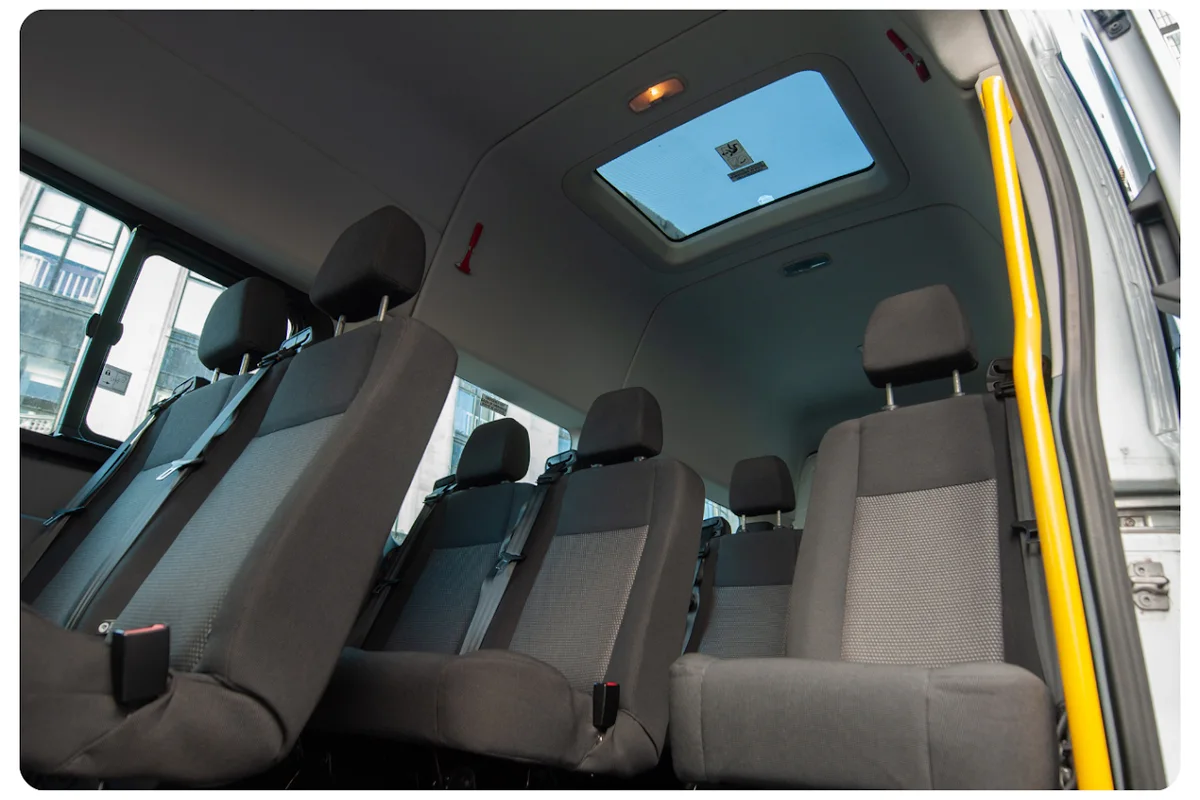
Write down what the group is bringing as well as how many bags there are. A day out with small backpacks creates a different discussion from a trip involving suitcases, a folded pushchair or equipment. Give an accurate description of larger items and ask what the proposed vehicle can accommodate. Seat numbers alone do not establish a luggage allowance.
Spare seats are not a confirmed luggage solution.
If your plans depend on extra space, explain that need rather than assuming it follows from booking a larger minibus. The team can discuss the intended load and vehicle with you before you agree the journey.
- Ask each traveller what they intend to bring, including return-journey items.
- Identify bulky or unusual items separately from ordinary bags.
- Explain any pushchairs, mobility equipment or event materials that need consideration.
- Confirm the arrangement with the operator before sharing it as a settled plan.
Discuss boarding and access needs early
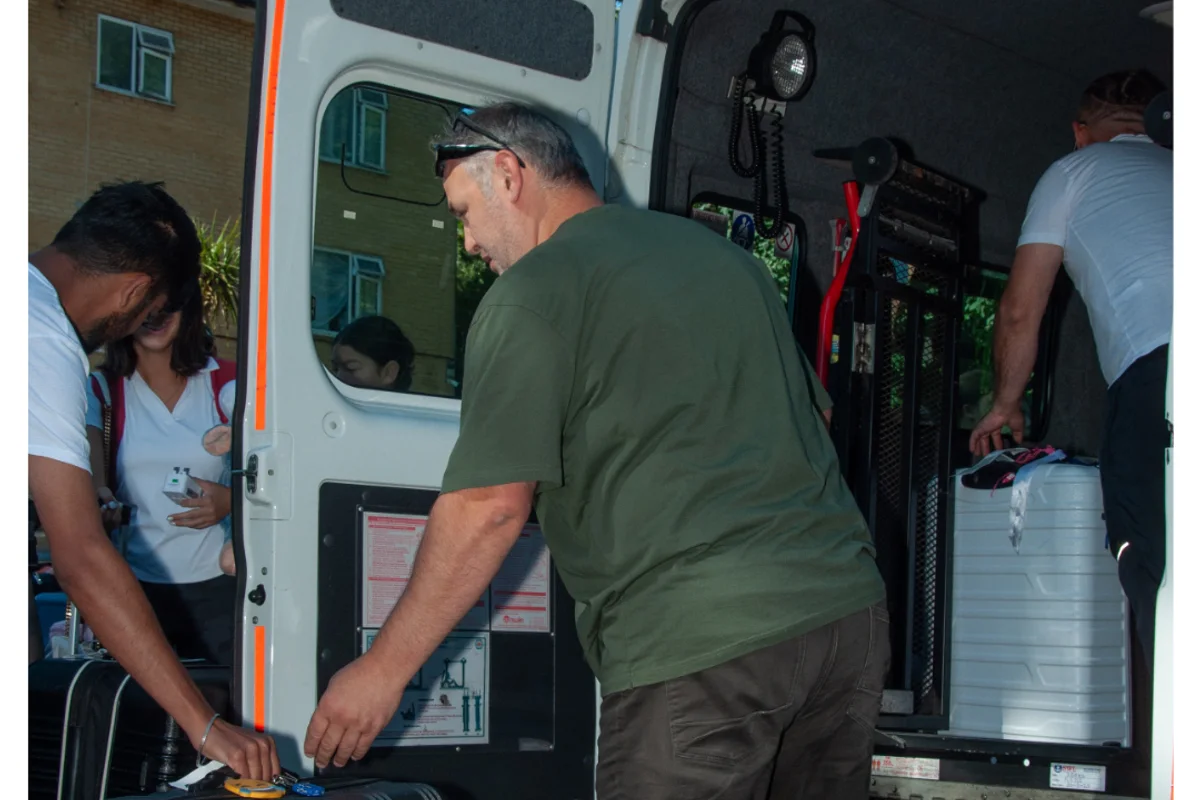
Ask travellers privately whether they have practical boarding or seating requirements they want the organiser to raise. Describe the help or arrangement needed without circulating unnecessary personal information. A photograph of an interior cannot confirm whether a vehicle suits someone’s needs, so ask about the specific minibus being proposed and let the traveller take part in that discussion where appropriate.
Useful questions might concern steps, handholds, walking distances to the meeting point or carrying mobility equipment. These are questions to confirm, not features this guide promises. If an arrangement is essential, obtain a clear answer before treating the transport as suitable. Revisit it if the proposed vehicle or the group’s requirements change.
Match the booking to the day you are planning
For a wedding, think about who needs to reach which part of the celebration and whether the return party is the same. For a family outing, check who is joining and what the group is bringing. A business trip may require a particularly clear arrival plan, while an event journey may need an agreed meeting point after a busy finish. Describe your actual schedule rather than relying on the occasion alone.
Choose pick-up points that people can identify and discuss vehicle access with the operator. A familiar landmark is useful only if everyone means the same entrance or side of the road. Multiple collection points add coordination, so list them in the intended order and ask how they fit the journey. Avoid promising passengers a stop or timing that has not been agreed.
Planning tip: choose around the whole journey — passengers, bags, boarding, stops and timings — rather than a seat number in isolation.
Turn the details into a useful enquiry
Separate the time an event starts from the time your group needs to arrive, and distinguish that from the requested pick-up time. Share the return requirements as well. Ask the operator to discuss suitable timings; do not calculate a guaranteed journey duration from a map or assume that the same arrangement works in both directions.
- Confirm the outward and return passenger counts, marking any uncertainty.
- List the date, destinations, proposed pick-up points and requested timings.
- Describe bags, larger items and boarding requirements that need confirmation.
- Ask about the vehicle, availability and booking details before telling the group the plan is settled.
- Share the agreed arrangement and pass on any later changes promptly.
Keep one current version of the plan. If the passenger count, destination or return time changes, send a concise update to the team and ask whether the arrangement still works. Then tell the group what has been confirmed. This avoids a common organising problem: passengers following an older message while the person booking is working from a newer conversation.
Ready to discuss the right minibus?
The most useful choice is the one confirmed against your group’s actual needs. You can explore the ZAZA Express minibus options and use our group transport planning checklist to gather the remaining details. Call 07426 462062 or email info@zazaexpress.uk to discuss your journey, the proposed vehicle and the booking arrangements.